When I was growing up, having a home audio system with surround sound, powerful bass, and a full dynamic range was every guy’s dream. From the first hi-fi setups of the 1950s to the big home stereo and amplifier systems of the 1980s and 1990s, this was one of the great aspirational consumer categories.
And then China was granted MFN status. As we’ve seen in so many industries, the market gradually split in two: at one end, a flood of cheap, mass-produced products made in China; at the other, a shrinking group of premium brands still making speakers in places like the United States and Europe, often at prices so high that only a niche market could support them.
That said, if you still want (and can afford) excellent sound in your home, there are still some very good options. In traditional hi-fi, most of the strongest non-China choices tend to be in the premium tier, often well over $1,000. For the rest of us, there are still some worthwhile options in categories like Bluetooth speakers, smart speakers, and soundbars, though they can be harder to find.
For those new to audio, the terminology can be a little confusing. Here’s a quick rundown of the main categories.
Bookshelf speakers: Compact speakers designed for shelves, stands, or media consoles. A common choice for stereo listening and smaller home theater setups. Typical price: about $150 to $2,000+ per pair. Made in China? Common at lower price points; less common in premium hi-fi models.
Floor speakers: Larger tower speakers that stand on the floor and usually deliver bigger sound and deeper bass than bookshelf speakers. Typical price: about $500 to $5,000+ per pair. Made in China? Common in mainstream models, but many high-end options are still made in the USA or Europe.
Bluetooth speakers: Wireless speakers built for convenience and portability rather than traditional component audio systems. Typical price: about $30 to $500+. Made in China? Very common.
Smart speakers: Wi-Fi-connected speakers with voice assistants and streaming features built in. Typical price: about $50 to $400+. Made in China? Extremely common.
Soundbars: Slim speakers designed to improve TV audio without the complexity of a full surround sound system. Typical price: about $100 to $1,500+. Made in China? Very common.
I’ll be focusing on Bookshelf speakers in this post, and we do have a post on the forum that talks about Bluetooth speakers which I’ll turn into a blog post at some point.
The good news is that non-China speakers still exist. The bad news is that they’re generally much easier to find in traditional hi-fi categories like bookshelf and floorstanding speakers than in newer mass-market categories like smart speakers and soundbars.
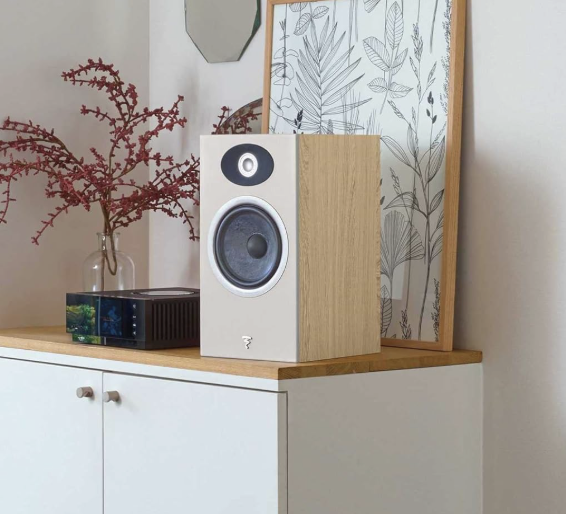
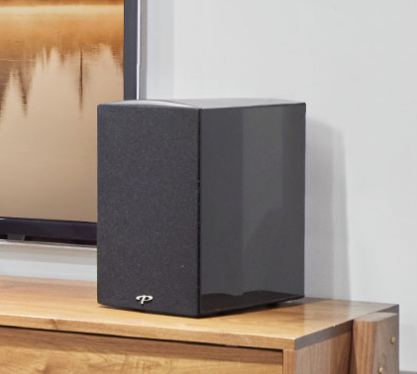
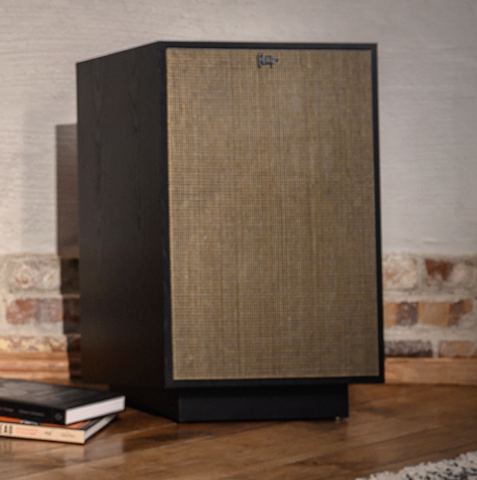
The Best Bookshelf Speakers not Made in China
1. Focal Theva No.1 (France)
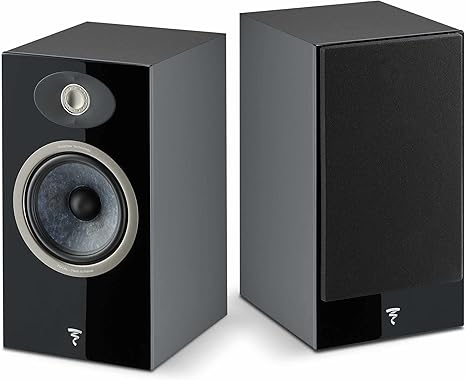
These speakers appear in WIRED’s list of “Best Bookshelf Speakers” as its best passive speaker, and eCoustics named it the best bookshelf speakers under $1,000 (although the price has creeped up since they wrote the article in 2024).
This is one of the best speakers you can buy for exceptional quality without jumping all the way into ultra-luxury pricing. The Theva series includes both bookshelf and floor-standing models. The sound quality is exceptional, it has attractive styling, and it’s much more affordably priced than many ultra-premium European brands. It’s made in France.
3. Paradigm Premier 200B (Canada)
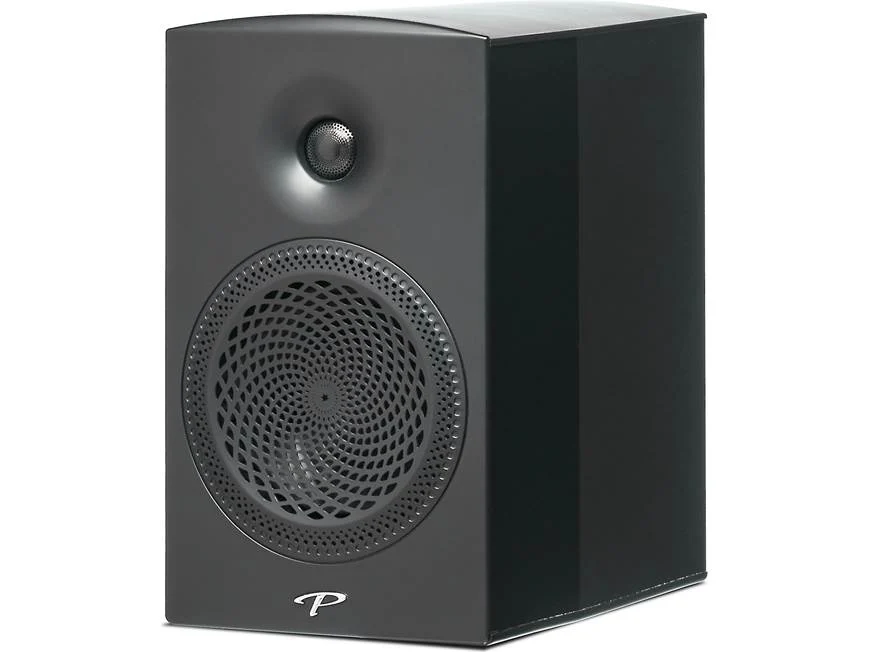
The Paradigm Premier 200B is a compelling option for a NMIC bookshelf speaker. Paradigm explicitly says its Premier series speakers are designed, engineered, and made in Canada, clear sourcing language which is so refreshing when everyone else is hedging, hoping that tariffs will be removed so they can go back to the China trough.
These are passive bookshelf speakers meant for a stereo or home theater setup that reviews say have excellent bass for the size. The 100B offers similar performance for a slightly lower price.
3. Klipsch Heresy IV (USA)
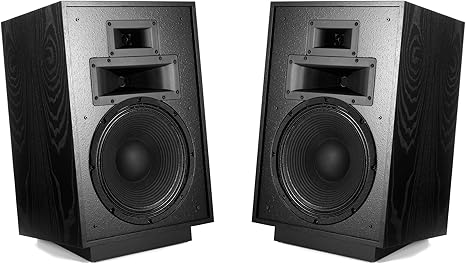
Klipsch has been an iconic name in American speaker manufacturing for years, and they still maintain a line of speakers that are designed and assembled in the USA.
The Klipsch Heresy IV is one of the best examples that American-made has not disappeared, but has moved upmarket. At over $3,500 for a pair, the Heresy IV isn’t for everyone, but if you have the money to spend, you’ll be hard-pressed to find a better sounding or a better reviewed speaker. Klipsch says the Heresy IV is designed and made in the USA using domestic and imported components, with the enclosure made in Hope, Arkansas.
4. PMC Prodigy 1 (UK)
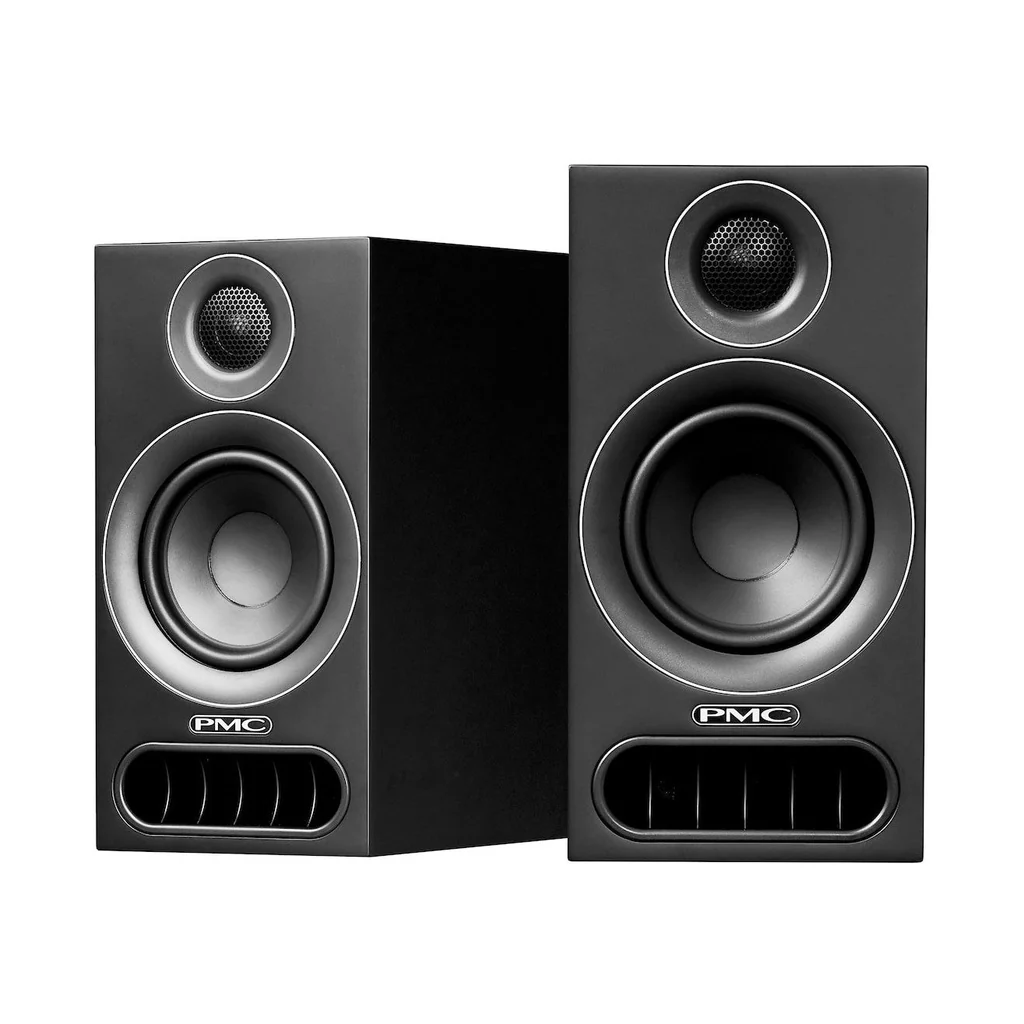
The PMC Prodigy 1 is a compact passive bookshelf speaker for shoppers who want a serious hi-fi option that isn’t made in China. PMC says the Prodigy line is designed and built in-house in Britain, and the Prodigy 1 is the smaller standmount model in that range. Again, it’s a nice example of a manufacturer being proud and clear about UK production instead of relying on vague “designed in” language.
5. Sonos Faber Lumina 1 (Italy)
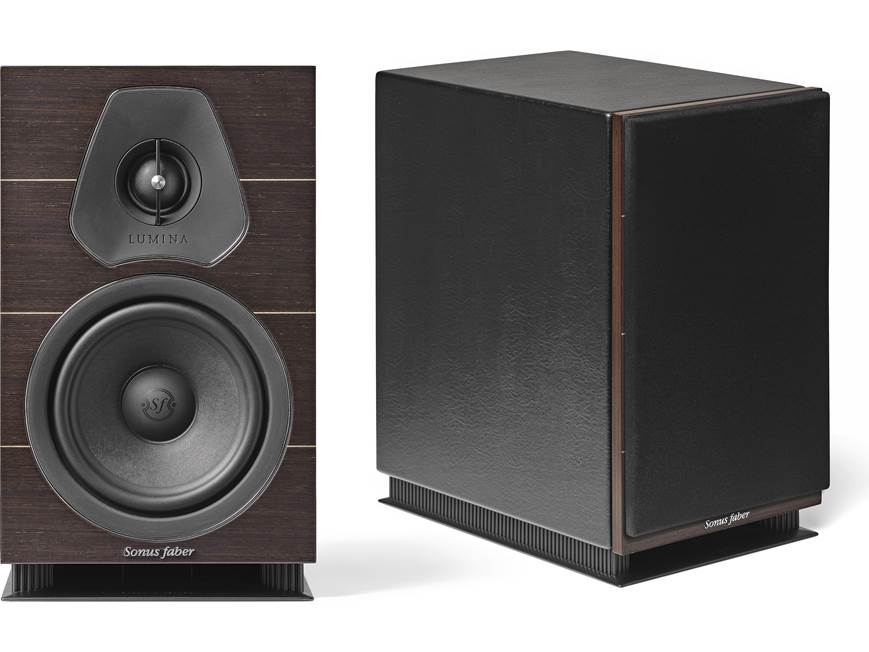
The Sonus faber Lumina line is one of the more attractive options for those who value not just great sound but great aethetics. Sonus faber says the Lumina collection speakers are built in its factory in Vicenza, Italy, and several Lumina product pages describe the speakers as made in Italy. That’s a win-win-wing in my book: a clearly identified non-China option from a respected speaker brand, with a look and finish that feels more furniture-grade than mass-market electronics.
6. Sony SS-CS5M2 (Vietnam)
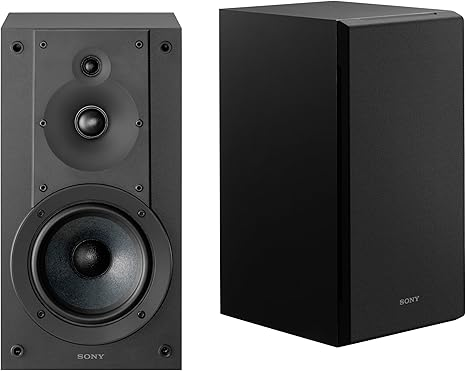
The Sony SS-CS5M2 is one of the more visible budget bookshelf speakers in current audio coverage, with mentions in outlets like WIRED and Gear Patrol. For shoppers trying to avoid China-made speakers, it may be worth a look, but with an important caveat: Sony does not appear to state the country of manufacture on its official product page. As usual in cases like this, we need to rely on third-party reviewers, and most recent reviews indicate that these are made in Vietnam. As with any brand that’s coy about country of origin, always verify by checking the box.
Do you know of other home speakers that have avoided the China trap? Let us know in the comments!