With small, cheap products like batteries you need to be careful. These are made in factories all over the world, and they’re extremely easy to counterfeit. A few months ago, I got a set of Everready batteries, and the counterfeiting was so convincing it was uncanny; even details down to holograms and pixel-perfect packaging were spot-on.
Another problem with ordering off-brand and generic batteries online is that there’s a good chance that they’ve been sitting in storage much too long. You want batteries that have a clear package date or best buy date written on the packaging, or better yet a guarantee.
I’m only going to link to product listings below where the listing itself confirms the country of origin; this way if you get sent a package from China you can return it without any questions.
The Best Household Batteries not Made in China
Alkaline (AAA, AA, C, D)
1. Duracell – Made in the USA
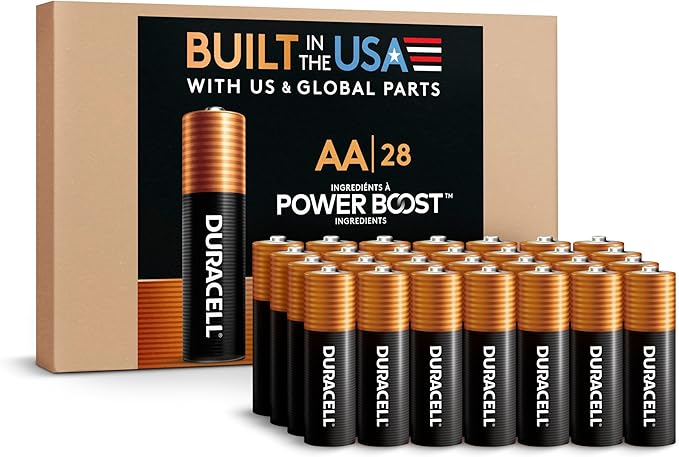
According to Duracell, every single AA, AAA, C, and D battery sold in the USA is assembled in the USA. Of course, if you buy from an unauthorized dealer, you’re likely to find grey market or counterfeit batteries. But as long as you stick with an official retailer like Amazon, you’ll be fine.
- This combo pack of 28 AA and 28 AAA Duracell batteries from Amazon is one of the better deals you’ll find. It’s clearly marked as Built in the USA, and at an effective cost of about 77 cents per battery (plus a guarantee of lasting 12 years in storage), it’s a great deal. Make sure the Shipper / Seller is Amazon.com; anything else and you’re almost certain to get a knockoff.
- This box of AAA batteries comes out to about 89 cents per battery
- This box of AA batteries comes out to 85 cents per battery
- This package of C batteries is about $2.12 per battery
- These D batteries are about $2.32 each
2. Ray O Vac – Made in the USA and Malaysia
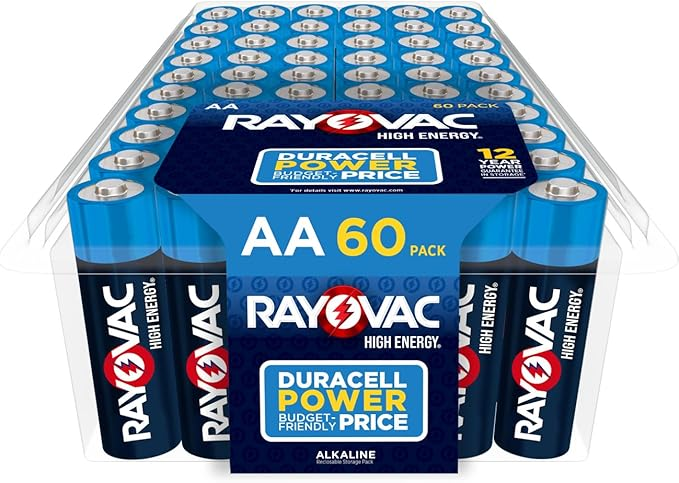
Rayovac still makes its AA and AAA batteries in the USA, although it’s moved manufacturing of some of its lines such as 9V batteries to Malaysia.
- This box of standard AA batteries comes out to 32 cents each
- This box of “high energy” AA batteries comes out to 40 cents each, and is designed to compete directly with Duracell’s copper top batteries
3. Energizer Max – Made in the USA, Singapore, Thailand, or Indonesia
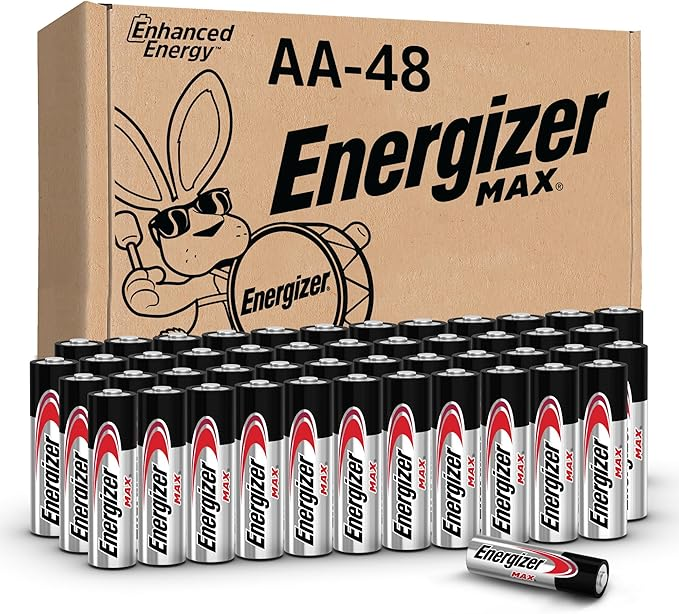
You’ll notice once big name missing from my list: Energizer. That’s because regular Energizer batteries are made in the United States, Singapore, Indonesia, and China. While there’s a good chance that your Energizer battery will not be made in China, there’s always the chance.
The exception seems to be their Energizer Max line of batteries, which has an outer box that clearly states that the country of manufacture may be the USA, Singapore, Thailand, or Indonesia. It’s available in AA, AAA, and AA/AAA combo box.
4. Energizer Lithium – Made in Singapore
Lithium batteries outlast Alkaline batteries, and Energizer responded to an Amazon question stating that these are made in Singapore. They’re available in AAA, AA, 9V, and bulk AA and bulk AAA packs.
Nickel Metal Hydride – NiMH Rechargeables (AAA, AA, C, D)
If you’re looking to really save money, buy rechargeable batteries that are made in Japan. NiMH is still the chemistry to use.
There’s an interesting history behind how Japan became the dominant player here. Sanyo originally created Eneloop rechargeable batteries—their use of nickel metal hydride was a huge leap over traditional nickel cadmium rechargeables. Panasonic bought Sanyo in 2010, but due to anti-monopoly laws was forced to sell the factory that produced Eneloops. FDK (Fuji Denki Kagaku) bought it and produces both Fuji and Panasonic-branded batteries.
1. Panasonic Eneloop
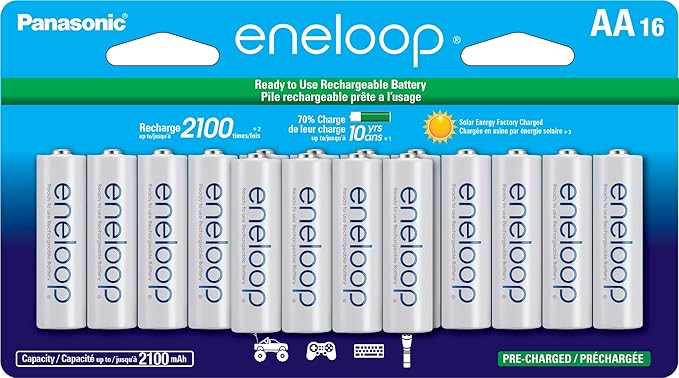
These have been the gold standard for rechargeable batteries. Both the standard and Pro versions are made in Japan. Standard have a 800mAh minimum capacity, while Pros up it to 2600mAh.
- 16-pack of standard AA Eneloop batteries
- 12-pack of standard AAA Eneloop batteries
- 4-pack of AA Eneloop Pro batteries
- 4-pack of AAA Eneloop Pro batteries
From time to time you may find Fujitsu-branded batteries sold in the US such as this 16 pack of standard AA Fujitsu batteries on Amazon. These are essentially the same batteries from the same factory, but branded with Fujitsu’s name and are more common to find in Japan.
If you’re at your local IKEA, their LADDA AA batteries and AAA batteries are widely accepted to be FDK-made as well.
2. Powerex
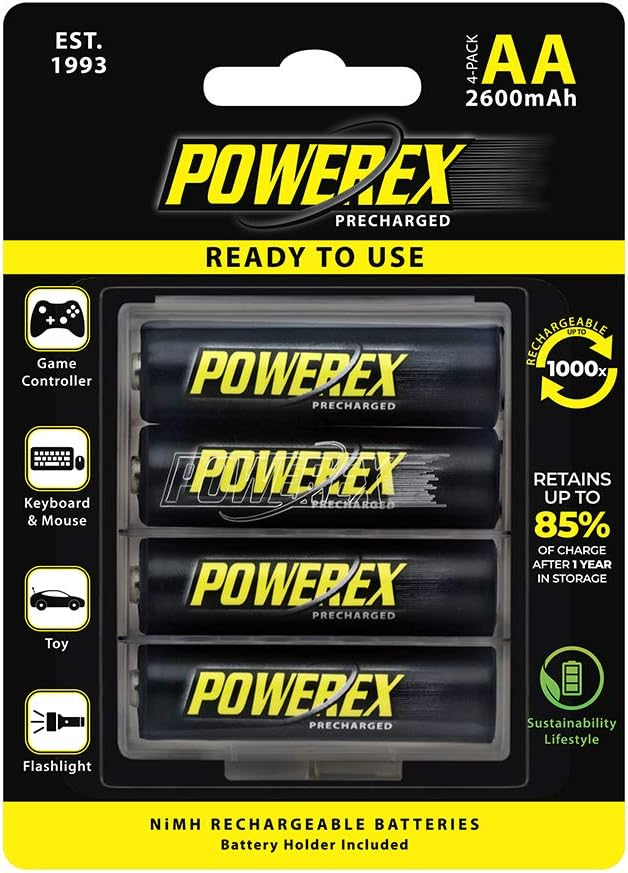
I include Powerex here not just because they sell excellent rechargeable AA batteries and AAA batteries that are made in Taiwan, but because their battery chargers are made in Taiwan as well (Eneloop and Fujitsu offshore their chargers to China, and they’re terrible).
Their MH-C9000 Pro is their top-of-the line charger that handles not just charging but discharging and conditioning. They also make this more affordable Powerex MH-C940 charger-analyzer. They’ll work with all the NiMH batteries listed here.
Lithium Coin CR2032 Battery
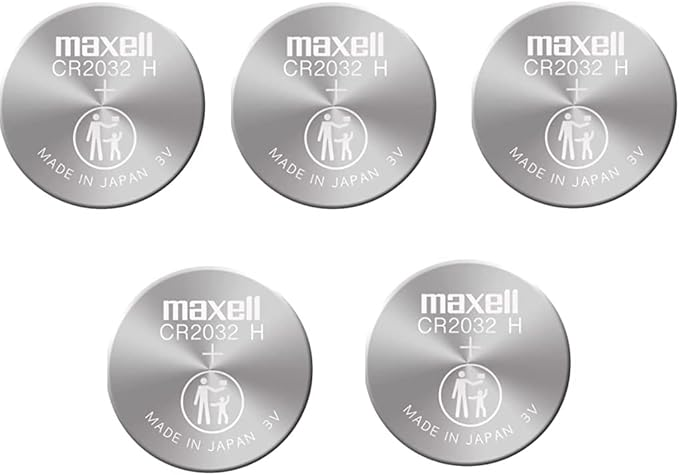
I’m including these in my list of “household” batteries because products like Apple’s AirTags have made them extremely popular. And of course, they’ve been used in car key remotes for years.
One thing to be aware of is how coin batteries are named. The letter “C” indicates that it’s made of lithium. The “R” means that it’s round. So “CR” batteries are round lithium-based batteries, while “LR” batteries are round alkaline ones.
The first two numbers indicate diameter. “20” means that it has a 20mm diameter.
The last two numbers indicate height. “32” means a 3.2mm height.
Apple AirTags and most key fobs use CR2032 batteries, but thinner key fobs may use CR2025 with a 2.5mm height. Make sure you pick the right one.
Here are CR2032 batteries that you can be sure are not made in China. Be sure to buy from Amazon or a reseller with good reviews, as counterfeits are extremely common. Avoid Duracells, which surprisingly still make their product in China, despite their “Made in USA” claims for their main products.
- Maxell CR2032 – These are made in Japan
- Panasonic CR2032 – These are made in Indonesia
- Murata CR2032 – These are made in Indonesia
- Energizer CR2032 – There’s a good chance these will be made in Indonesia, but they do still manufacture in China so be careful
I used to think I could save money by buying them in bulk on eBay, but by the time they get to eBay they’ve already been sitting on the shelf for years and were disposed of. And do NOT trust the dates on China brands, nor that they will not die instantly or corrode.
What about rechargeable lithium-ion household batteries?
You may have heard about Lithium-ion rechargeables, and there are many, many China companies who are releasing their versions of these batteries. Here’s my experience with them.
I tested a number of Li-ion rechargeables, and I have not received one batch of batteries where there was not a failure of at least a few batteries. This isn’t so surprising when you learn about the technology. There’s actually no such thing as a “pure” 1.5V lithium ion battery—lithium-ion cells generally generate power of 3.7V. Circuitry inside the batter has to step down the output to 1.5V, and specially designed chargers have to charge the battery without damaging this circuitry. There are multiple points of failure in both the charger and the battery, which is why you won’t see big-name brands like Duracell or Energizer selling them.
Here’s what’s worse: as I wrote in this piece, China manufacturers have one advantage that US brands don’t have. They can sell faulty or dangerous products with impunity. If a battery explodes because someone used the wrong charger, the FTC isn’t going to catch it until it’s too late, and any litigation (if you can even get a hold of the manufacturer) will be subjected to the jurisdiction of courts in China, run by the CCP. Guess how that’ll go for you?
So while lithium-ion rechargeable technology is tempting, until you see them sold by a big brand, I’d stick to Alkaline or NiMH for household batteries. Most American companies manufacturing lithium-ion rechargeables are making speciality batteries that go into electronics, but very few are making the step-down 1.5V in standard sizes.
Do you know of other hosuehold batteries that have avoided the China trap? Let us know in the comments!

I’d like to add Varta Batteries which are still made in Germany. They’ve had some troubles because they forgot about accumulators for electric cars, but they’re still there and even managed to make their batteries cheaper – even though their batteries still have a leak protection while Chinese batteries haven’t.
Varta batteries from Bunnings in Australia are now all Chinese made and leak.
Unfortunately, Duracells sold in Germany are all made in China.
Ikea Ladda are made in Japan. In the same factory as panasonic eneloops.