Last updated September 19, 2026. Previously updated December 1, 2023, June 26, 2025, and March 2, 2026. Original post date July 6, 2023.
9/19/26 Update:
Sadly, it looks like I’ve fallen for the same Apple PR hype that I’ve been warning about for years. I’ve had an old iPhone 12 Pro Max for years, and have been holding out on buying a new one until I figured there was a good chance I’d get one not made in China. This phone was OLD–the screen and back glass was shattered, the digitizer would often miss my swipes, the battery died constantly. It was time for an upgrade, so I ordered an iPhone 18 Pro Max, and believing Apple’s hype, I thought that there was a good chance I’d get one from India.
Nope, the box arrived in the mail and it said “Made in China”.
I’m not the only one to be fooled. I asked Gemini, Claude, and ChatGPT and they all swore that Apple was making a substantial number of iPhones out of India and Vietnam. ChatGPT said that 60-75% of these phones sold in the US were coming from India.
It wasn’t until I pressed that I got a real number: globally, roughly three quarters of iPhones are still assembled in China, with about 26% coming out of India and a sliver out of Vietnam.
In short, globally most iPhones still come from China, but in the wake of tariffs, Apple pinky promised that most US imports would come from India, but they’re happy to let all of us get the two numbers confused.
Counterpoint Research says India has now overtaken China as the largest single source of US smartphone imports. So “most US iPhones come from India” isn’t false, but it’s not a commitment nor necessarily a reflection of the future state. Apple runs mixed lines and ships whatever comes off them.
Here’s the problem: the iPhone 18 Pro Max is the model Apple has been publicizing as India-built from day one, with chartered flights leaving Chennai ahead of the September 18 on-sale date. Mine still showed up in a China box.
I dug into what this might have been, and I think this is the answer. On February 20, 2026, the Supreme Court disastrously struck down the broad China tariffs imposed under IEEPA, 6-3, removing the tariffs put in place as a condition for China to stop pouring fentanyl into the US. Note that those fentanyl tariffs had already been negotiated down from 20% to 10% before the Court killed them, so the backsliding started well before the ruling.
A 10% stopgap under Section 122 held the line until July 24, 2026, when a new 12.5% Section 301 forced labor tariff replaced it on China-made goods. But smartphones still come in at zero. They enter under HTS 8517.13 at a free rate, the Section 301 list that would have covered them (List 4B) has been suspended since the 2019 Phase One deal, and no smartphone-specific duty has been layered on since.
If you had a problem following that mess you’re not alone. Here’s all you need to know: the effective savings for Apple of getting an iPhone assembled in India or Vietnam vs. China isn’t 25%, it isn’t 20%, and it isn’t 10%. It’s 0%.
Why were tariffs on smartphone removed altogether? Evidently the federal government was considering putting smartphones under section 232 (vs. section 301). But they never did. If you’re wondering why Apple stock price exploded 90% in the last year, now you know.
My big fear is that this administration, which had been the strongest administration by far of taking a hard line against China in 50 years, is starting to buckle. The money is just too enticing, even for people who know that continued enrichment of China means more fentanyl deaths, more military buildup to dominate the South China Sea, and more enrichment of a nation that is anti-Liberty.
The one thing I know for sure is that iPhones ARE still being produced in India. What can the individual consumer do? Go to your Apple Store and ask to see the box–don’t trust ordering it online.
Original post follows:
Those who say that tariffs don’t work need look no further than the smartphone market to see the impact tariffs have made.
When I started this site, Apple had led the way in pumping $275 billion into China to literally build up entire cities devoted to pumping out iPhones. Foxconn, a Taiwanese company, made the foolish move to put all their eggs in the China basket. Predictably, former Foxconn employees in China went on to start Luxshare. It’s a story we’ve seen repeated over and over again—the CCP will allow foreign companies to come in so that their own domestic companies can copy their business model and eventually put them out of business.
Perhaps sensing this, Samsung was the first to make a commitment to diversify outside of China. Unlike Apple, Samsung maintained its own manufacturing operations and thus was able to diversify to Vietnam and India much more easily.
For years, especially after the backlash of China’s shenanigans around COVID-19, Apple promised to diversify out of China, but it was mostly lip service. Two things finally forced Apple’s hand: first, India ignored the naysayers and insisted that smartphones be made domestically. Every smartphone company caved: no one was going to neglect the world’s most populous country. Second, the US government instituted tariffs—a long overdue step to counter years of cheating and abuse from the CCP.
Today, the market leaders in China are Huawei and Vivo. That’s right, the supposed market that entering China was supposed to open up never happened, despite all of the investment that the West poured into China. Citizens of China—”strongly urged” by the CCP—are snapping up domestic brands, leaving the Western brands on the outside looking in.
The good news for us is that the Western brands still make the best phones, by far. And more and more they’re moving away from China manufacturing. Finally.
Best Cell Phones Not Made in China
1. Samsung Galaxy – Best Android Phones
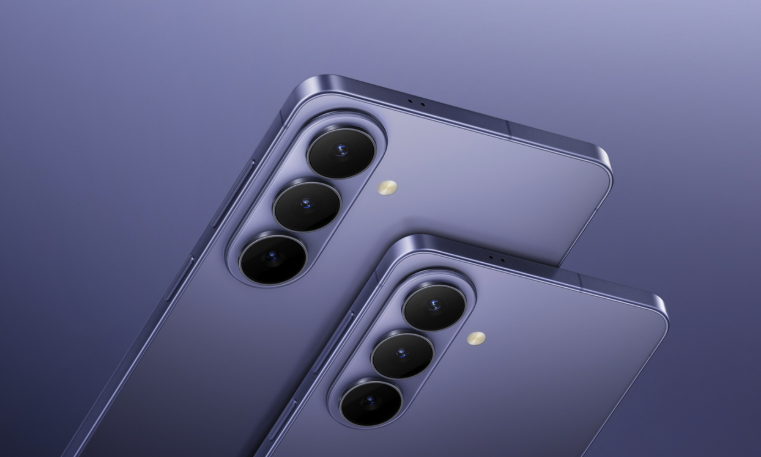
Just about every Web site, blog, and magazine that reviews Android phones lists the Galaxy S26 Ultra as the best Android phone (and in many cases, the best high-end smartphone overall) you can buy, just as they did the S25, S24 and S23. There is very little not to like about this phone in any of its flavors.
Samsung’s classification system is a little confusing at first, but all you need to remember is that “S” refers to Samsung’s flagship line, “Z” refers to foldable phones, and “A” is their more affordable, mid-range line.
Samsung is also the one major brand where you don’t really have to check the box. Samsung builds its own phones in its own plants: Vietnam (its two factories in Bac Ninh and Thai Nguyen produce the majority of Samsung phones sold worldwide), India (the Noida plant, which is now building the entire S26 line), South Korea, Brazil and Indonesia. No new Samsung smartphone is made in China.
If you’re looking to time your purchase to launch dates (when you can make sure you get the newest phone OR more easily the last generation phone at a discount), Samsung generally announces new phones following this schedule:
S series – January or February of each year at its Galaxy Unpacked event. The most recent announcement was the S26 line on February 25, 2026 in San Francisco, with general availability on March 11, 2026. Expect the S27 announcement in roughly the same window in early 2027.
Z series – Mid-year, around June to August at their summer Unpacked events. The most recent event was held in London on July 22, 2026, where Samsung announced three foldables: the Galaxy Z Fold 8, the Galaxy Z Fold 8 Ultra, and the Galaxy Z Flip 8. All three went on sale in early August 2026. Expect the Z Fold 9 / Z Flip 9 generation in mid-2027.
A series – No set announcement date; Samsung will stagger these throughout the year, most likely outside of S and Z launches to spread out revenue. The upper mid-range model (A57) lands in the spring and the entry-level A17 5G reaches the US in early January.
Here are the best phones in each line.
Samsung Galaxy S26 Ultra
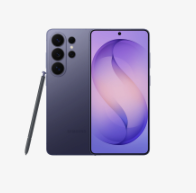
Samsung’s top-of-the-line 2026 flagship has a massive 6.9″ display, a 200MP main camera with two telephoto lenses, a built-in S Pen, and advanced AI tools. The headline feature this generation is a built-in Privacy Display that blocks side-angle viewing without a stick-on filter, and no other phone on the market has it. US models run the Snapdragon 8 Elite Gen 5 for Galaxy (some regions get the Exynos 2600), and it charges at 60W off a 5,000mAh battery in a slimmer 7.9mm body. It’s primarily assembled in Vietnam, with additional production in India and South Korea. Launch MSRP is $1,299.99 for the 256GB model, the same price as the S25 Ultra, with higher storage tiers running to roughly $1,799. It’s best for power users, creators, and professionals who want Samsung’s most advanced phone. Like I said, all of the S series phones were announced on February 25, 2026 and shipped March 11, so this will be the top model throughout 2026 into early 2027.
Samsung Galaxy S26+
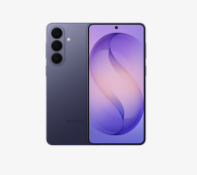
A large 6.7″ QHD+ display and bigger battery than the base model, with faster charging, while keeping flagship-level performance and cameras and the same Snapdragon 8 Elite Gen 5 chip and 12GB of RAM. It skips the Ultra’s Privacy Display, S Pen and 200MP camera. Like most Galaxy S models, it is mainly assembled in Vietnam, with some units produced in India and South Korea. Launch MSRP is $1,099.99, a $100 increase over the S25+ that Samsung attributes to memory prices. It’s best for users who want a big premium phone without the Ultra price tag.
Samsung Galaxy S26
This is a compact flagship offering top-tier performance, nice cameras, and Samsung’s latest AI features in an easier-to-handle 6.3″ size. It uses the same Snapdragon 8 Elite Gen 5 chip and 12GB of RAM as its bigger siblings, and Samsung doubled the base storage to 256GB this year. Like its siblings, it’s predominantly assembled in Vietnam, with some production in India and South Korea. Launch MSRP is $899.99 (Samsung later added a 128GB configuration at $799.99), and it’s best for buyers who want flagship performance without the bulk or highest price tier.
Samsung Galaxy Z Fold 8 and Z Fold 8 Ultra
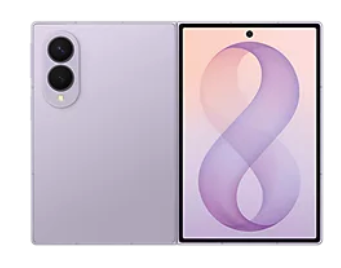
While the “Apple Duo” has been getting a lot of attention, Samsung’s been doing foldable smartphones for years, and just reworked their foldables line this year. The Z Fold 8 is a brand new shape rather than a direct successor to the Fold 7: it’s shorter and wider (“passport” style), with a 5.5″ FHD+ cover display, aimed at people who mostly want a bigger screen for reading and video. The Z Fold 8 Ultra is the closer successor to the old Fold line, taller and narrower. Both use the Snapdragon 8 Elite Gen 5 for Galaxy with 12GB of RAM and 256GB or 512GB of storage, and both introduce Flex Titanium, a titanium layer under the flexible OLED that Samsung says improves impact resistance and reduces the crease. They ship with Android 17 and One UI 9 and carry Samsung’s seven-year update commitment. Announced July 22, 2026 and on sale in early August. The Z Fold 8 starts at $1,899 (a $100 drop from the Fold 7) and the Z Fold 8 Ultra starts at $2,099. Assembled in Vietnam and South Korea.
Samsung Galaxy Z Flip 8
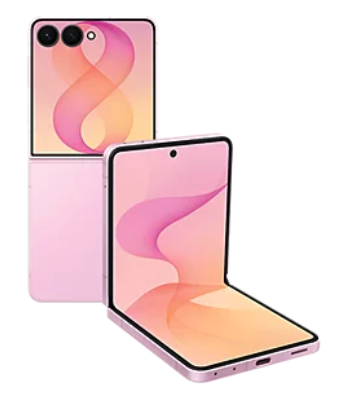
The flip-style foldable got an iterative update: a lighter build, a revamped hinge, a 4.1″ cover screen and a 6.9″ FHD+ 120Hz inner display. Cameras carry over from the Flip 7 at 50MP main plus 12MP ultrawide, with a 4,300mAh battery, and the whole thing weighs 180 grams.
Announced July 22, 2026, on sale August 7, starting at $1,199 (up $100 from the Flip 7). This is the cheapest way into a Samsung foldable and the most sensible one if you want something that fits a pocket. Assembled in Vietnam and South Korea.
Samsung Galaxy A57 5G
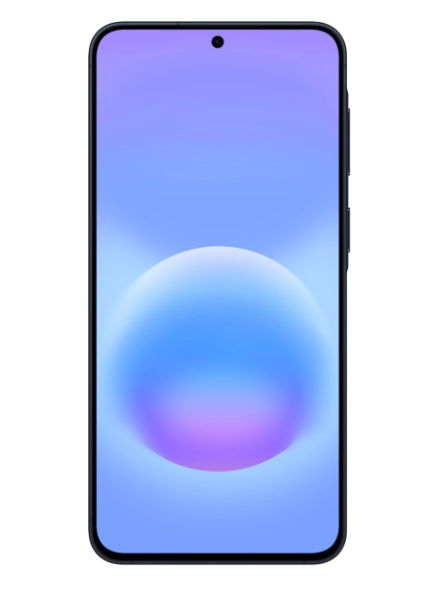
Samsung has outsourced their cheaper phones to China in the past, but all indications are that they’re moving these to Vietnam and India too. This is a strong mid-range option with a 6.7″ Super AMOLED Plus display at 120Hz, a 50MP main camera with optical stabilization, IP68 dust and water resistance, a 5,000mAh battery with 45W charging in the box, and six years of Android and security updates on a $550 phone. It runs the Exynos 1680 with 8GB or 12GB of RAM, in an aluminum frame at 6.9mm and 179 grams. Note that Samsung dropped the microSD slot and there’s still no wireless charging. Most units are assembled in Vietnam, with significant production in India. Launch MSRP is $549.99 for 128GB and $609.99 for 256GB, and it has already been discounted as low as $425. It’s best for value-focused buyers who want modern features without paying flagship prices. This one was announced March 25, 2026 and went on sale April 10, so expect the A58 around March to April 2027.
Samsung Galaxy A17 5G
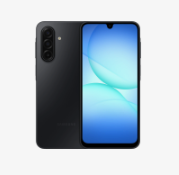
If you’re looking for Samsung quality but a rock bottom price, this is an affordable 5G phone with dependable everyday performance and a long-lasting battery. You get a 6.7″ Super AMOLED display at 90Hz, a 50MP main camera with optical stabilization, a 5,000mAh battery with 25W charging, Gorilla Glass Victus on the front, an IP54 rating, and the same six years of software updates Samsung gives its mid-rangers, all on a $200 phone. The tradeoff is the older Exynos 1330 and a single 4GB/128GB configuration (microSD is supported up to 2TB). While it used to be predominantly assembled in China, today it’s generally assembled in Vietnam and India. MSRP is $199.99, and it regularly sells for less on promotion. It’s best for students, families, and budget-conscious buyers. Samsung announced the US version on December 30, 2025 and put it on sale January 7, 2026, so expect the successor around the turn of the year.
I put links to Samsung’s site on this page, but of course you can buy these at carriers like Verizon, T-Mobile, and AT&T, as well as retailers like Amazon.
2. iPhone 18 Pro – Best phone overall
Most of the tech media is naming the iPhone the best phone overall. I know there’s a religious debate between Apple and Android users, but having tried both, I tend to agree. Samsung is the superior phone for people who are tech-savvy and want the most advanced technology, but Apple is still the best choice for non-techies.
A few years ago if you told me that I would be recommending an iPhone as the best smartphone overall not made in China, I’d have said you were crazy. Apple’s manufacturing has historically been concentrated in China, particularly in huge Foxconn/PEGATRON facilities in Zhengzhou and Shenzhen, and even today China still assembles a significant share of iPhones globally.
However, there’s an important shift underway for iPhones destined for the U.S. market. Even prior to tariffs, Apple and its suppliers have been accelerating iPhone assembly in India to reduce reliance on Chinese manufacturing after the CCPs debacles during COVID, with the supposed goal of most U.S. units being India-assembled by 2026. Apple’s then-CEO Tim Cook has supposedly confirmed that a majority of iPhones sold in the U.S. were assembled in India over recent quarters. Cook handed the CEO job to John Ternus on September 1, 2026, and Ternus is going to be under relentless pressure to keep Apple’s revenue numbers up.
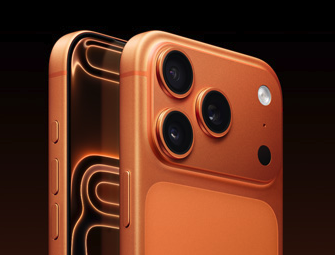
Something did change this year. The iPhone 18 Pro and 18 Pro Max are being built in India from day one, at Foxconn and Tata Electronics plants, with chartered flights leaving Chennai ahead of the September 18 on-sale date. In past years the newest Pro models started in China and India production was added later. Apple is reportedly exporting 80-90% of that Indian Pro output.
Of course, I wrote this before my own experience, which I shared in the intro. At this point I’m not sure what to think. It could be because I ordered the phone on launch date that they had to bump up imports to the US from China. But who knows if Ternus will decide he likes the money and shift even more output to China?
My best advice is to buy from a brick and mortar store such as an Apple Store, or order for pickup from an AT&T, Verizon, or T-Mobile store. That way you can look at the box and if you see “Product of China”, ask the store to look for an India-made one for you.
Apple announced the iPhone 18 Pro and iPhone 18 Pro Max on September 9, 2026, with availability September 18. Apple also changed its release cadence this year: there was no base iPhone 18 in September. Apple is holding the standard iPhone 18, the iPhone 18e and the second-generation iPhone Air for spring 2027, which means the iPhone 17 and iPhone Air you see on shelves right now remain the current non-Pro models into next year.
The third September release was Apple’s first foldable, the iPhone Duo, covered below. All of those are being manufactured in China, and while they do have specialized components such as the folding display panels and flash memory that are supplied by Samsung in South Korea, I can’t get myself to recommend it, especially when much more affordable and mature products are available from Samsung.
iPhone 18 Pro & iPhone 18 Pro Max
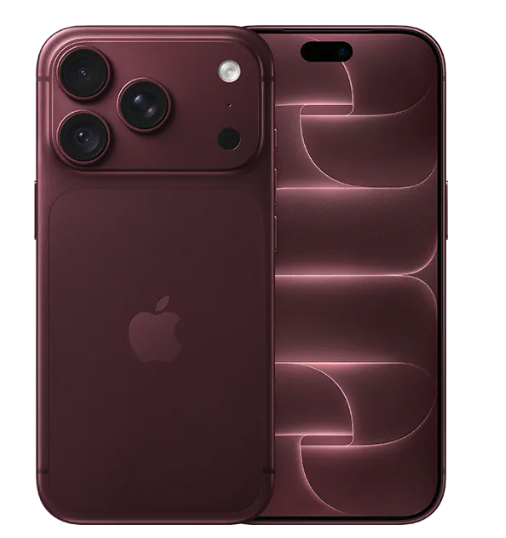
Apple’s most advanced models, announced September 9, 2026, are built around the A20 Pro, Apple’s first 2-nanometer chip, with a redesigned vapor chamber that Apple says delivers up to 40% better sustained performance than the 17 Pro. The big camera change is a 48MP Fusion main camera with variable aperture. Six laser-cut blades move between four aperture settings, from f/1.48 for low light to f/4 for depth of field. No previous iPhone could do that. New Pro controls in the Camera app add manual shutter speed, white balance and a live histogram. Apple also introduced Reference Image, which cryptographically signs sensor data at capture so you can prove a photo wasn’t manipulated. Displays are 6.3″ on the Pro and 6.9″ on the Pro Max, both 120Hz ProMotion, with a smaller redesigned Dynamic Island that now holds three Live Activities. Apple says battery life is the biggest jump it has ever shipped: up to 36 hours of video playback on the Pro and 45 hours on the Pro Max for the eSIM-only US models. US units have no physical SIM tray, and Apple used that space for a bigger battery. Prices are $1,199 for the 18 Pro and $1,299 for the 18 Pro Max, in 256GB through 2TB, in black, silver, glacier and a new burgundy. A fully loaded Pro Max runs close to $2,500. The next Pro models are expected around September 2027. You can get these from AT&T, Verizon, T-Mobile, or an Apple Store.
iPhone 17
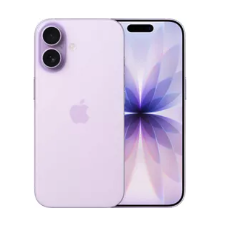
Because Apple pushed the base iPhone 18 to spring 2027, the iPhone 17 is still the current non-Pro iPhone and will be for months. Announced in September 2025, it delivers Apple’s A19 chip, a 6.3″ OLED display with 120Hz ProMotion, and a 48MP dual-camera system that handles most photography needs with ease. It brings flagship-level smoothness and performance to a broader audience without Pro pricing. This remains the sweet spot for most buyers, and the entire iPhone 17 line was the first generation built in India from the start, including the Pro models, which makes it a better bet than usual if avoiding China is the point. The price range is in the upper-mid flagship tier, starting at $799. Buy it from AT&T, Verizon, T-Mobile, or an Apple Store.
I’d originally put the iPhone Air and iPhone 17e here, but I can’t find independent confirmation that these are coming anywhere from China, so they’re off the recommended list until I get that.
3. Google Pixel 11
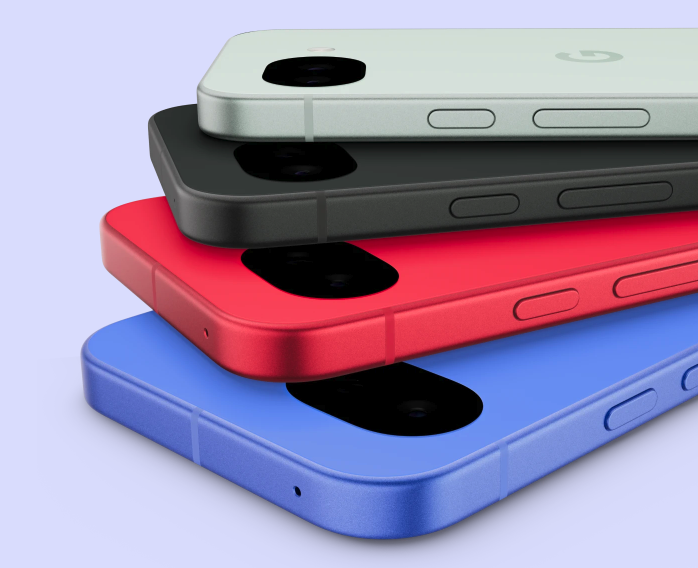
Google deserves some credit here. The Pixel 11 series, announced August 12, 2026, is the first full Pixel generation whose engineering development and New Product Introduction was done outside China, in Vietnam. NPI is the hardest, most supplier-dependent phase of building a phone, and it’s the part everyone else kept in Shenzhen, so it counts for more than a final assembly address. Following that launch, Google told its suppliers in August 2026 that it intends to move all Pixel smartphones, watches and earbuds out of China by 2027, using Vietnam for flagship assembly and India for US-market production. If Google follows through, it becomes the second major smartphone brand after Samsung to leave China entirely.
The budget A-series is still being built in China. So the rule stays the same. Check the box.
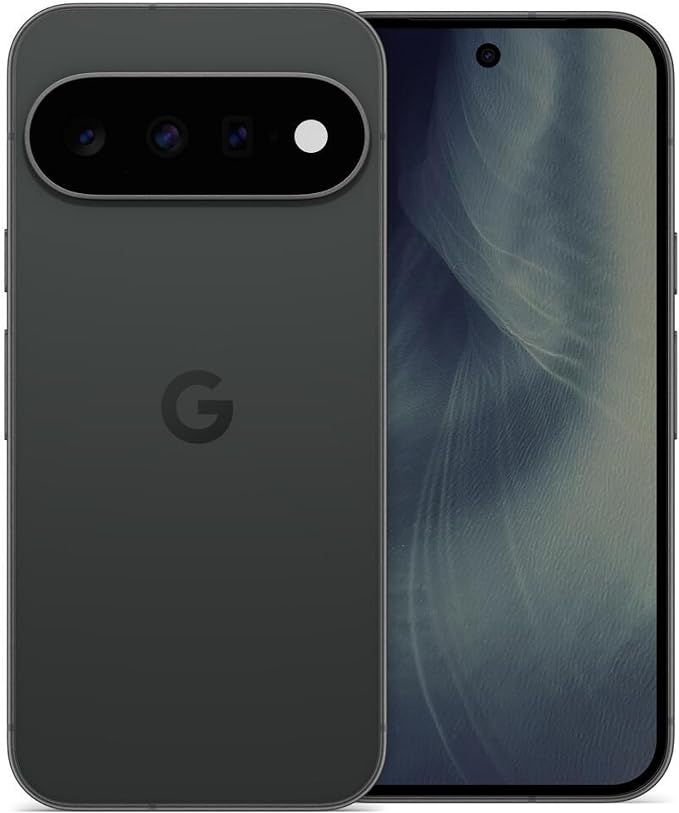
Announced August 12, 2026 at Made by Google in New York and shipped August 20, the Pixel 11 is the most popular pick that most people will choose: a manageable 6.3″ 120Hz OLED, Google’s new 2nm Tensor G6 chip, and a more versatile camera setup than prior base Pixels. Google bumped base storage to 256GB across the whole line this year and added Pixel Glow, an RGB notification ring around the camera bar.
The full lineup is the Pixel 11 at $899, the Pixel 11 Pro at $1,099, the Pixel 11 Pro XL at $1,299, and the Pixel 11 Pro Fold at $1,899, which for once shipped the same day as its siblings instead of weeks later. Every model is $100 more than its Pixel 10 counterpart, which Google attributes to memory prices.
For the most hassle-free purchasing experience, I’d recommend Amazon.
If you’re looking to wait it out until the next announcement, expect the Pixel 12 around August 2027, and expect the budget Pixel 11a in the spring.
My best advice if you want an Android phone? Samsung is still the safest bet, because with Samsung you don’t have to check anything. But the Pixel 11 is the first Google phone I can recommend without a lot of hedging, and if Google actually completes its exit by 2027 I’ll move it up this list. Avoid the A-series. The 10a and whatever 11a follows it are going to continue to be made in China.
4. Purism Liberty Phone – Made in the USA, including the supply chain
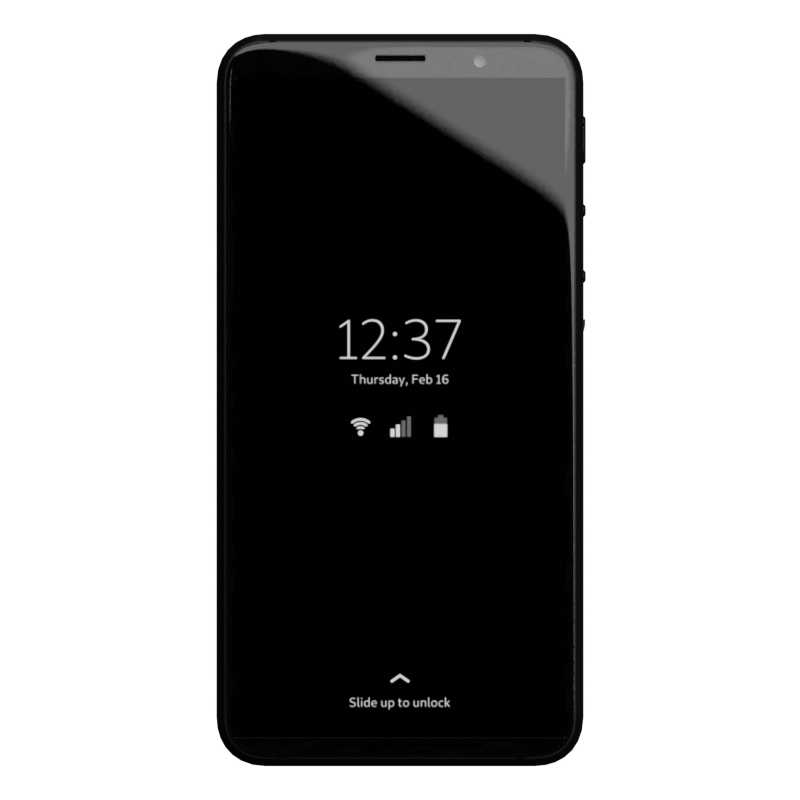
The Purism Librem 5 had been on this list every year, but unfortunately they’ve had to shift their manufacturing to China to keep their prices lower. Unfortunately, moving to China was probably not a wise move on their part, but for now the made-in-China Librem 5 goes for $799 (3GB RAM / 32GB storage).
Unlike a lot of manufacturers who sold out to China, Purism didn’t abandon the US. They continue to make the Liberty Phone from their facilities in the USA, and all electronics in the phone are made in the USA as well. It’s the same basic hardware as the Librem 5 but with 4GB of RAM and 128GB of storage.
But if you take your privacy seriously, this is the phone for you. They’ve gone completely out of their way to create a smartphone whose #1 priority is privacy. This means using PureOS, a GNU/Linux-based open-source operating system that is free from the prying eyes of Apple and Google (who if you let yourself think about it have power that is much more frightening than the US or China governments).
It’s well documented by now that China has used its manufacturing monopoly to embed literal spyware into hardware and transmit information back to the CCP. Is it conceivable that China manufacturers know so much about Android and Apple phones that they can easily push undetectably code through simple iPhone or Android apps? I’d say it’s not only conceivable, it’s likely happening today.
At a starting price of $1,999 this phone isn’t cheap, though Purism runs promotions fairly often and it has recently been discounted to $1,749, but it’s by far the best solution to not just preventing China from being rewarded by your smartphone purchase, but preventing them from getting into your house or workplace.
Conclusion
Do you know of other cell phones that have avoided the China trap? Let us know in the comments!
Original content from previous posts
For posterity, here are my original versions of the introduction to this post:
Original post from July 2023:
老大哥在看着你
If my Google skills are up to par, that line above says “big brother is watching you” in simplified Chinese. And that’s an apt way to start this particular post.
When George Orwell wrote 1984, he imagined a world where there telescreens were used by Big Brother to monitor the actions of its citizens and to feed them a steady stream of propaganda to control them. When I read the book in the 1980s, I thought to myself, this is ridiculous. No citizen in any country would ever let it get to that point where every single room in every single house is wired up for a central government to watch.
And yet after only a few years, it happened. And we built it ourselves. I had a Palm Pilot, which became a Blackberry, which became an iPhone. And we didn’t need Big Brother to force us to provide every bit of information about ourselves to him–we happily told our little phones who all our friends and acquaintances are, where we live, what our daily habits are, what we purchased, what we ate, what our deepest darkest secrets were, what we liked, what we hated, and how our health was.
It’s bad enough that companies like Apple and Facebook have this information. But can you imagine what the likes of Hitler, Stalin, Mao, Pol Pot, or Idi Amin would have done with this kind of information as they tried to isolate and even murder any subversives?
You don’t even need to imagine what the Chinese Communist Party would do with this information. They’re already using it to keep their own citizens in line. And yes, they’re already exploiting our openness to create chaos, stir up dissension, and manipulate our elections. If you don’t see that, you need to open your eyes wider.
I’m sometimes a bit astounded at how naive we can be in the West, and especially in the United States. Back when the federal government imposed rules on Hwawei and TikTok, my boss at the time made a comment to me about how terrible it was that our government was being so racist towards the Chinese. I suppose he made a point to tell me this because he assumed I’d somehow be offended. I told him straight out that even though I’m Chinese–actually especially because I’m Chinese–I fully supported those actions. Because if information is power, our enemies in the CCP know a lot more about us than we know about them.
I know you came here to find a cell phone not made in China, and I’ll get to that 🙂 But clearly, this is much more about finding a product that won’t break or helping our own economy. This is a matter of national security. I have a background in Computer Science and technology. Do you know how easy it is to plant a small piece of code into telecommunications equipment or computer software that will let you infiltrate it in the future? And do you remember how every company that wants to do business in China must enter into joint partnership where they share all of their intellectual property with their China counterparts? And of course, the CCP is embedded not only in state-owned enterprises but private enterprises as well.
And in the interest of being able to buy cheap things on Walmart and Amazon, we’ve been cheering them on for 30 years, throwing our money at them the whole time. It’s time to stop it.
Are any cell phones not made in China?
Happily, not only are there a lot of them, but a lot of really good ones. The best brands to look out for are Asus (made in Taiwan), Samsung (made in South Korea), and Sony (made in Japan). Sadly, LG recently made the decision to discontinue their mobile phone business.
There is one Android phone that clearly stands out. It’s listed on every major “best cell phones” list each year, including CNET, PC Magazine, The Verge, Wirecutter, Tom’s Guide, Tech Radar, Forbes, T3, and more. It’s the Samsung Galaxy and Galaxy Ultra. And it’s manufactured in Vietnam and South Korea.
We’ll run down other great phones from ASUS and Sony as well. China-based brands like OnePlus, Huawei, Oppo, and Xiaomi are going to get very aggressive with pricing in the coming years (no doubt subsidized heavily by the CCP) to try to snare uneducated consumers. And beware of Motorola Mobility; while many Moto phones are manufactured outside of China, don’t expect this to last–Motorola was acquired by Lenovo, who themselves are a 100% China company, headquartered in Beijing.
But by continuing to buy the best from the best, you can do your part to keep those China brands where they are.
But wait–aren’t the parts all made in China?
Yes, a lot of them are. But that’s not the point here.
The point of looking for a cell phone that’s not made in China is to try to slow down the speed at which China is taking over this sector, just as it monopolizes manufacturing of so many other sectors like sporting equipment and coffee makers. Right now, the parts that are manufactured in China are largely cheap parts like cases and buttons. But China has never forgotten its Marxist roots, and has its eyes set on dominating the entire “means of production”, which means eventually having the capacity to make everything themselves, from motherboards to semiconductors to video cards and displays.
A lot of that is done out of Taiwan right now, which means Taiwan is employing its own citizens and collecting its own tax revenue. But if Taiwan continues to go the way of American companies by having amoral, psychopathic executives outsource everything to China to boost their stock prices, even if it means giving up their secrets? Well, that will spell the end of everything, up to and including the end of Taiwan as a democracy and the beginning of the end of the United States militarily as China gains an insurmountable military advantage by being able to surveil every American citizen–all bought and paid for by those same American citizens.
Those who do not remember the mistakes of the past are condemned to repeat them. I have to say I am astounded at the speed at which members of Taiwan’s Kuomingtang Party (who are behind most of the big Taiwanese companies that are outsourcing to China) have rushed to enable the same Communist Party that murdered and imprisoned their own parents and grandparents. Let’s hope the spanking they got at the polls and what they see with their own eyes happening in Hong Kong wakes them up so they start to diversify their supply chain.
What about Apple?
Sorry Apple fans, but all iPhones are made in China. You’ve heard the horror stories of Foxconn manufacturing plants where workers are locked inside under sweatshop conditions (some even driven to suicide). But Chinese citizens still stand on line to get those jobs and American citizens still stand on line to get those phones, so Apple executives and their shareholders are happy.
But let’s put the human considerations aside. Even though Apple has a reputation for excellent craftsmanship, let’s think about something. Apple phones are well engineered, but not well manufactured. How can I say this? Here’s a list of Apple products I’ve owned, and things to go wrong with them.
* MacBook Pro 13 2018 – Battery swelled up and Keyboard keys repeat. Apple said they would fix the keyboard for free–but only after I paid $200 to fix the battery. Thanks “Geniuses”.
* Apple iPhone X – Lightning port stopped working completely after warranty expired
* Apple iPhone 6 – Became unusable after it constantly crashed, despite purportedly being supported.
* Apple iPhone 4S – The last iPhone I ever owned that was perfect from beginning to end. Also happens to be the last iPhone where Steve Jobs saw through production from beginning to end. Coincidence?
Apple’s recent success is largely due to the legacy that Steve Jobs left behind, but sadly, Apple is showing cracks in the armor. I have had nothing but negative experiences with Apple Store “Geniuses”, who increasingly are smug in their polo shirts but devoid of any real technical knowledge. They’re not trained to fix problems, they’re trained to use every defect as an excuse to sell AppleCare. “Hey! You know your Apple product is going to break, so why not pay us an extra $200 now so that you don’t have to pay us $600 later? Unless we say the problem is your fault, which we will most of the time”.
Sadly, Apple is doing its best to lose me after being a customer of their for 40 years. And their continued reliance on China manufacturing may be just the thing to get me to switch. Love or hate the last presidential administration, but they did the right thing in establishing harsher tariffs on China–reportedly Google and Apple have started to look more towards India and Vietnam to diversify its manufacturing base. Let’s hope the current administration holds the line so that this positive trend can continue.
Previous update from December 2023
Where I last left off in July, there were a lot of things in motion. Samsung had announced that it was completely out of China, and Google and Apple were promising to move out of China into Vietnam and India, respectively. Did those things ever happen?
Samsung – Samsung is still the only major smartphone brand that has unequivocally moved out of China. Today they make most of their phones out of Vietnam, with factories in South Korea, India, Brazil, and Indonesia to serve local markets. While Samsung still does make some accessories out of China, there is not one new Samsung smartphone being made there.
Google – Neither Google nor Apple have been nearly as decisive as Samsung. Google announced with great fanfare that they were moving production to Vietnam, but when my wife purchased her Pixel 7, it was made in China. Bottom line, Foxconn is rapidly building more manufacturing facilities in Vietnam, but the plants in China are still very much alive, so it’s basically the luck of the draw whether you get one from China or Vietnam. If you must get a Google phone, go to a physical store and check the box yourself.
Apple – Back in 2021 I was excited by all the news I read. “Apple is leaving China!” “Apple will be manufacturing out of Vietnam by the end of next year!!” “Your next iPhone will be made in India!!!”. The reality is, Tim Cook sank $275 billion into China to—literally—build cities that would manufacture iPhones. I’ve come to the conclusion that most of the news that Apple and FoxConn are leaving China are just PR from Apple, giving Apple fanatics (like myself) hope that their next iPhone wouldn’t be made in China.
It’s true that iPads, MacBooks, and AirPods are moving to Vietnam, but I haven’t found one iPhone sold in the US Market that wasn’t made in China. They have cried wolf one too many times. When my iPhone 12 gives up its ghost, I’ll be switching to Samsung.
By the way, you’ll hear a lot of hype about both Google and Apple moving manufacturing to India. In most cases, these factories are being set up to serve the local Indian market. Why? Because India was one of the only countries smart enough to see the growing threat from China. They require all online retailers to divulge country of origin on their products, and they do not hesitate to put tariffs on imports that threaten the national security of India. American lobbyists cry and moan, but let’s look at what happened. Apple and Google are moving manufacturing INTO India to avoid these tariffs, and retailers operating in India (including Amazon) haven’t gone out of business after being forced to divulge country of origin. I only wish that American politicians had more of the backbone that the Indian government does.
The rest – ASUS and Sony remain on my list as brands that will we can be pretty confident will not be sourcing to China–I’ve updated their listings with their newest phones, all of which use the same Snapdragon 8+ Gen1 processor which Samsung and Google put into their latest phones..
Previous Update from June 26, 2025
Probably time for an update on this one.
Since I first wrote this post in 2023 (where does the time go), a lot has happened. The biggest is probably the tariffs that were put in place. Interestingly, even when the most heated tariff discussions were happening, smartphones were always exempt from all the reciprocal tariff discussions.
So when you buy smartphones made in places like Japan, South Korea, India, and Vietnam, manufacturers aren’t paying any tariffs and neither are you.
There is, however, a tariff on Chinese-made smartphones that equals about 20%, the tariff originally placed because of their poor control over fentanyl (which some say is intentional—myself included).
Samsung – Samsung is still the only major smartphone brand that has unequivocally moved out of China. Today they make most of their phones out of Vietnam, with factories in South Korea, India, Brazil, and Indonesia to serve local markets. While Samsung still does make some accessories out of China, there is not one new Samsung smartphone being made there.
Google – Google has made some progress since slow-walking moving their manufacturing to Vietnam—I mentioned previously that my wife’s Pixel 7 was made in China after a lot of PR saying it wouldn’t be (and yes, it had many problems). Today, all Pixel 8 and Pixel 8 Pros are made in Vietnam.
Apple – Apple was feeding the press pinky promises that they were leaving China as far back as 2021. While that might be true for accessories like AirPods and the Apple Watch, iPhones are still predominantly made in China. If you hear Apple boasting that they’re making phones in India, that’s because India was wise enough to put tariffs in place that forced Apple to make them there to access their market. Some low-end Apple phone made here can be purchased in the US and the EU; I’ll detail that below.
Asus – I had placed the ASUS ROG 5, 6, and 7 on this list, but sadly it fell off, as ASUS is manufacturing the ROG 8 in China. It always astounds me when a Taiwanese company sells out their brand in this way.
Sony – The Sony Xperia had also been a perennial choice on this list. Sony used to make these out of their own factories in Thailand. Sadly, Sony has stopped manufacturing these and is not outsourcing, starting with the Xperia 1 VII. Early reports is that they’re being made out of China. It’s a sad end to an amazing legacy.
Nokia – The Nokia 6300 also fell off the list, as it’s now made by FIH Mobile, a subsidiary of Foxconn that operates primarily out of China.
- Tags:
- cell phones
- electronics

Samsung Galaxy A32 – Made in Vietnam
Why the celebration of a phone made in Viet Nam? It was communist when I was on the ground fifty years ago and it is still communist. China controls the countries around it as an hegemony and Russia still has favored status in Viet Nam since it was their client state during the war there.
What phone do I use? I have all types but use an older iPhone solely because my children and their children dislike green bubbles. Ask Apple if they certify all iPhones made in China as free of tracking chips and software….no answer as they are busy paying their lobbyists to keep their government friends from asking just that question.
Viet Nam is not trying to control the rest of the world, economically or otherwise, as China is nor, is it a threat to it’s neighbors or does it want to invade a de facto independent nation. Not North Korea or Iran or Russia is our worst enemy but China is.
Great question! I thought of the same. I unfortunately have stayed a Moto fan but now that Japan sold them to Lenovo I need to look at Samsung. Too bad Apple is all about profit and people fall for “iPhone is safe because they don’t let the US government unlock it… Unfortunately CCP might be…
Sorry, Mike… I have no idea what you mean by “green bubbles”…Can you explain to me, please? Thanks!
Messaging from iPhones to non-Apple devices have to resort to SMS rather than modern messaging services (like Apple’s). Messages to Apple devices appear in a blue bubble, the others in green bubble.
Thank you very much!!!
You might want to check Volla Phone.
Unfortunately, Sony’s Xperia 10 III is made in China.
That is very bad! They used to be made in Japan
Perfect! That is exactly what I was looking for. 😉
Thanks a lot mate! great article!!!
Thanks for writing this . It makes sense. The more that know the truth and acknowledge it , the better our future will be.
Thanks a lot. Really pleased to have a list provided, so don’t have to check all manufacturers. I will not buy from China
I also dislike a lot of what the U.S stands for in general but China is on another level down. Now, I add to their badness, new cooperation with Russia, a country out slaughtering civilians in Ukraine.
I have an iPhone 12. If Apple doesn’t have all of their manufacturing out of there by when I buy a new phone, I’ll definitely buy one of the nonChina ones. We already try and avoid all Chinese made products, a difficult task.
Nokia is a Finnish company but their parts are made in China.
Gigaset produces several smartphones in Germany. The company is owned by a company in Hongkong though!
I bought a Gigaset a few years back and it was made in Germany. However recently announced it was sold off again to VTECH which has been part of the People’s Republic of China for many years and has long been firmly in the hands of the Chinese Communist Party.
Check out link.
https://blazetrends.com/chinese-take-over-german-market-leader-vtech-swallows-gigaset/
The Nokia 6300 4G runs Kai OS as its operating system. Kai OS is developed by KaiOS Technologies (Hong Kong) Limited; a company based in Hong Kong, whose largest shareholder is Chinese multinational electronics conglomerate TCL Corporation.
TCL being an affiliate of the CCP
what a great article and so very true, china makes absolute garbage and i am so fedup with what they do they test everyone out, at first the phones, vapes, what ever they make , start of fairly decent, then they get weaker and weaker and people keep buying it,even though they will even say themselves oh no made in china ,Ive said for years to give the market to India or Taiwan
Any rugged smartphones not made in China? Bonus if it has FLIR.
The Samsung XCover 5 is made in Vietnam
Thanks for this!
I also found a company called FairPhone, they are a phone company with a human and environmental rights mission. Their impact page (https://www.fairphone.com/en/impact/) says that their final assembly manufacturer is Arima, which is in Taiwan.
Interestingly, FairPhone also publishes the full supply chain of all the component parts to their phone. As you mentioned, a lot of parts are made by companies in China. However, I think their transparency in the supply chain is commendable given the current reality of making phones, and hopefully it will incrementally pressure more companies to have more transparency. We cannot divest the supply chain from China without knowing what the supply chain is.
FairPhone’s goals of fair labor practices is also in line with why many people would try to not buy from China, and might make it so that FairPhone uses more non-China companies than other brands (I don’t know, I don’t have another phone supply chain to compare to). At least, FairPhone would probably source from companies in China with less abusive labor practices.
Finally, FairPhone’s environmental emphasis on longevity and repairability means that you hopefully won’t have to buy a whole new phone soon. The best way to buy less from China is to buy less and reuse more.
Very unfortunately, FairPhone currently does not sell to the US. However, European visitors to this website might be interested in their phone, and they recently started selling in Taiwan.
Side note: Purism claims to try to have more USA-based parts, but I can’t find a published list of manufactures to see how much this actually is (e.g. if it’s just the Taiwan manufacturing being moved to the US). The closest I got is https://puri.sm/posts/manufacturing-the-librem-5-usa-phone-in-the-united-states-of-america/, which is still an interesting read. If anyone finds this information, please let me know. I will also try to contact them.
Yep, was missing fairphone as well.
Not sure why you continued to buy Apple products after the first one failed you, as I have banned anything from Toshiba after their laptop caught fire while sitting on a table top, but other than that it was a good read.
Thank you for this list. I am done with Apple products. I am actually trying to go 100% non-Chinese made anything. It’s a challenge for sure but I will NOT give a penny (if I can help it) to an enemy. China is now making moves to support Russia in it’s war on the Ukraine and that’s the final straw. I can no longer justify giving my money to Apple. I should have quit them a long time ago.
Same here… I will not buy anything made in China if I can help it. We should try and bring back a lot of manufacturing into the USA. I fail to see why this cannot be a success!
You make some excellent points, and while I agree with the majority of them, if we don’t check our own fascist shifts in the west, we will end up where we’ve been before.
The rise of communism and fascism have the same sources, the idea that we need to hate some other identifiable group or system in order for us to be “best”
My last 3 phones have specifically been not made in china.
I could not agree with you more. Perhaps what’s more pernicious about the West than a communist nation like China is that their tyranny and human rights abuses are out in the open for everyone to see, while in the West it’s hidden.
But anyone with discernment can see fascism for what it is: using force to silence anyone who believes something different than you. Whether that force is the point of a gun vs. the wielding of political power and social rejection the end result is the same, the death of freedom.
I hope everyone reading this blog sees it not as a propaganda tool for any side, but as a counter to the extreme and lopsided propaganda that the CCP puts out. But as I’ve written many times on this blog, it’s corrupt Western politicians and corporate executives that have gotten us into this mess much more than the CCP, and ultimately those corrupt leaders get their power from us, the consumer.
What you are claiming is exactly what CCP wants you and those who live in democracy world to believe.
In the West you “are able” to question, to contest and even rebuild (mainly by election) the government that make these abuses, but in China, the act of holding a blank paper on the street, the act of passively safeguarding one’s basic human rights, are always sees as threat to the rule of CCP.
Also, please understand the essence of communist nation under dictatorship, it is not up to “what you’ve done” to decide whether CCP is going to persecute you, it is up to “what you haven’t done” and “what CCP thinks”.
The history will proof that who stay silent and neglect things like on-going “Xinjiang internment camps”, is the one who betray their spirit of human rights.
Thank you for your comments, James.
If you go to TikTok, Quora, Reddit, and other sites (including Google) you’ll see lots of videos of happy dancing children in Xinjiang. That’s not the scary part. The scary part is how many of our fellow American citizens are so easily fooled. They’ve never experienced first-hand the threat of communism and totalitarianism.
You’ve put it perfectly. In Communist China, there is no God except for the CCP. If you do not pledge your entire allegiance to the Party, you are shunned in society and seen as a threat to “peace”. It is no different than other totalitarian regimes through history. Let’s hope more Americans wake up. Ironically, it’s only my Eastern European friends who can see it clearly. Many Americans have been brainwashed to have a knee-jerk reaction to call us “racist” (even though we are both ethnically Chinese!!)
Yes, thanks for making your comment, you are right on all points. I am not Chinese, but still, it is as you described. I’ve lived in China for a while…
You mention Reddit… well, I had my eye-opening experience with them recently. I made comments in an article, and my stance was anti-China and anti-radicalization in any form. Two days later, I got 5 emails (as I had made 5 different comments, and they informed me that all my comments had been deleted… why? because I did not have the required number of good Karma points to post any opinion. I had to find out what “Karma Points” are. Basically, you need to accumulate “bravos” from other Reddit members, before you can be “admitted”. If you write things that do not jive with their leftist views, you will be voted down, and that means you get bad karma, and therefor, you are being cancelled. Nice going, lol! I won’t post there again. No freedom of speech there.
Thanks Monaya. Funny, but I had a very similar experience on Quora years ago which I posted about a while back. I’d made a few posts simply sharing my opinion in an objective, thoughtful way and then suddenly Quora’s automated systems started deleting my messages and eventually banning my account. I never posted anything more “controversial” than what I post here every day.
Social media companies like Quora and Reddit rely on “the power of the crowd” to do all their moderation for them. What they are completely oblivious to is that there are coordinated groups—many funded by the CCP or even operated by the CCP—whose sole job 24×7 is to “blend in” with regular people. They’ll post innocuous messages on both boards, but once something anti-CCP comes through, they’ll have mobs attacking the person who posted. They learned that the best way to “attack” is to use the social media site’s own tools against their enemy—reporting them en masse, blocking them, downvoting them, and attacking them. It’s the modern day equivalent of Mao’s Red Guards. And American social media companies are oblivious. They just see “engagement” and people viewing ads.
That’s one reason I started the forum on this site. It’s not huge yet, but I hope as more people get sick of sites like Reddit they can come here. As long as a comment is respectful and helpful (on any side of the debate) I will never, ever censor it. And on a daily basis, I see fake accounts being created—and I know exactly where they’re coming from. Posts from trolls will never, ever see the light of day.
You’re definitely welcome to come here any time! Freedom of speech may be dead on the big social media sites, but it lives here.
I took this list as a guide for my new cellphone: I bought a 128/8GB silver Zenfone 8, MFD 2023.1 from the Asus Shop (i.e. Digital River)
Unfortunately, it says Made in China.
Ugh, thank you for the update, Dr. Yelo. I see a corroborating review on Amazon dated 9/1/22, so I will be removing this phone from the list. It seems that after I published the list ASUS changed their manufacturing location, which is especially ironic given they are a Taiwanese company.
I will be updating this article shortly, and I’ll have some fresh research with up-to-date manufacturing data.
I have a CAT S42 and i think is made in UK by Bullit company.
Glad you made this site, time I switched from Moto to maybe Samsung. BUT I do wonder about the safety of VIETNAM phones???? Sad there’s too many idiots who don’t know the difference between evil CCP and honorable Chinese workers living under CCP oppression or that shareholders and users would rather have high profit, low prices from the CCP devil than pay an extra $300 for a Chinese made Iphone etc…. Plus Iphone is always lagging behind Android in features
Thank you for what you do. Here is a brief that you will find topical on what ChinaCCP is now up to. I reference your site for purchasing decisions and am grateful for your work.
100% and here is what ChinaCCP is doing (e.g. behind the scenes and also through the vacuum, e.g. they are now classified as time thieves).
Tik Tok Tactics https://electrostasis.substack.com/p/neurotechnology-tik-tok-social-media
ChinaCCP Adversarial AI BCPS Time Hacking and how to de-couple the nemetic based crystal linkages in the clear
https://electrostasis.substack.com/p/bioenergetics-108-scalar-warfare
https://electrostasis.substack.com/p/bioenergetics-109-complete-counterstrike
Are there any basic flip phone that are not made in China?
My concern is not only the “made in China” issue but, now, all new smart phones support Beidou. I’m not a super tech-savvy person but from my research, GPS is typically 1-way communication – the satellite tells you (your phone/device) where you are. But China’s Beidou is the first and only that is 2-way communication – your device also tells the satellite where you are. I don’t fully understand all the repercussions, but I sure don’t like how that sounds. When will we get phone choices that don’t support Beidou? Or when can we figure out how to disable/block Beidou without having to turn GPS off altogether? Would love to hear from anyone who can get to the bottom of this issue.
One of the great things about America used to be that we had choices. Now we don’t get a choice anymore.
I was keen to buy a non-Chinese android phone. I used Motorolas for years, but moved to a Samsung a53. That failed suddenly and I was looking for an alternative.
I bought a Google Pixel 8a, in the UK from Laptops Direct on 8/11/2024: It is made in Vietnam — though I was not able to confirm it until I looked at the ‘regulatory labels’ entry in ‘about phone’.
My motives for choosing a non-Chinese made phone are:
* We need to have a choice — China already dominates the consumer electronics world
*China’s legal and political system requires its companies to support its intelligence activities
*The way a very nationalistic China treats its own citizens, invades its neighbours, and threatens and seeks to influence its rivals
I have few illusions about Vietnam, but it is not actively seeking to undermine Western democracies.
Great list! It’s refreshing to see options that are not tied to China. I’m particularly interested in the models from Japan and South Korea. Thanks for highlighting these alternatives!
Great roundup! It’s refreshing to see options beyond China for smartphones. I appreciate the details on alternatives and performance comparisons. Looking forward to seeing how these brands evolve in the market!
I am a Taiwanese, roaming around internet seeking for a better phone. And thanks for your article that truly understand and reveal the threat that Taiwan’s democracy is currently facing, the threat that come from the China under CCP. You have better understanding for the essence of CCP then a lot of Taiwanese.
To be honest I’m deeply moved by your words. Hope the democracy of Taiwan can continue thrive and last long. Also hope your home country can become a (or some) free nation(s) in the foreseeable future.
Also, back to phones, I suggest despite hardware we should also take a deeper look on what software we use, like “de-google” Android OS (ex. e/OS/, which opensource can greatly reduce the surveillance from China, and some other countries), and method to identify and avoid installing Chinese software. Last but not least, we should also warn people not to buy phones from China because according to Chinese laws, all phones need to make possible for CCP to monitor.
Que viva Taiwán, mucha fuerza antes esos comunistas chinos.
Great list! It’s refreshing to see options that support different markets and reduce dependency on Chinese manufacturers. I’m especially interested in the models from Samsung and Sony. Thanks for highlighting alternatives!
Great post! It’s refreshing to see a list of quality smartphones that prioritize alternatives to Chinese manufacturers. I’m really interested in some of the brands you mentioned. Thanks for the insights!
Great list! It’s refreshing to see alternatives to Chinese brands. I’ve been looking for more options, and this post really helps clarify what’s available. Thanks for the insights!
Thank you for highlighting some great alternatives! It’s refreshing to see options that promote ethical sourcing and support local economies. I’m particularly interested in the models you mentioned from Japan and South Korea. It’s about time we explore tech beyond just China!
Hace unos años compré un teléfono Motorola pensando en una marca NO CHINA, ahora lo quiero cambiar y me entero que Motorola ya es propiedad de China.
Gracias por tu aporte, cansados de los productos chinos y también que no queremos que el partido comunista chino tenga influencia en el mundo.
Cómo te encontramos en Instagram? Saludos
Nothing Technology Limited, or simply Nothing (stylised as all caps) is a British consumer electronics manufacturer based in London. Most phones are made in India.
Depending on why you want to avoid phones made in China (for me it’s about working conditions eg. forced labour along the supply chain), check out Fairphone (NL) and Shiftphone (DE). Some of their parts come from China but Shiftphone assebles their phones in Germany and both companies tightly controll their supply chains to make them as ethical as possible.
Great insights! It’s refreshing to see options beyond Chinese brands. I appreciate the focus on supporting other markets and the impact it has on global diversity in technology. Thanks for sharing these alternatives!
some samsung a series phones are made in türkiye
You are displaying a bias against China. The reality—as anyone can see—is that products made in China are of high quality and affordable; you are simply disparaging Chinese manufacturing. In truth, among all the products you use, there are undoubtedly some that are made in China—stop deluding yourselves.
I think you’re missing the point.
Of course there is high quality manufacturing out of China, because American corporations and start-ups are foolish enough to outsource their manufacturing to China, only to have their contractors steal their designs, mass produce them, and then flood the market (through Amazon and Temu) with the identical product for pennies on the dollar. This has happened countless times, and any founder today who continues to outsource to China is foolish.
The statement “products made in China are of high quality and affordable” may look good on a quarterly balance sheet, but over 30 years you see what it has done to supply chains. The USA is completely reliant on its biggest geopolitical enemy for far too much. And where does our money go? To build more surveillance to punish dissidents. To build more missiles aimed at Taiwan, Japan, and the Philippines. To exploit humans and animals.
As I’ve said many times, I don’t blame China. They merely exploited the greed and short-sightedness of American politicians, corporate executives, and founders. But while these three line their pockets with record profits, they’re selling out our country.
Great list! I appreciate the effort to highlight alternatives to Chinese-made phones. It’s good to see options that support different economies and align with personal values. I’m particularly interested in the models from Japan and South Korea. Thanks for sharing!
The article advises to “avoid the 10a, which is definitely going to continue to be made in China.” I bought the Pixel 10a last month, and can confirm that it is in fact made in Vietnam. I bought it together with the matching Google phone case, which is also made in Vietnam.